Sunstone Myofunctional Therapy is no longer accepting clients.
Thank you so much for your support and trust in my practice.
It has been an honor to support this community and be part of your airway health journey.
For continued support with your airway health and myofunctional therapy goals, I highly recommend the following
trusted Oregon providers…
MyO2Breathe
Kyle Issacs
541.740.4694
myo2-Breathe.com
Airway Envy
Karie Shirtz
503.307.4627
airwayenvy.com
— Kyndall
Myofunctional Therapy?
Yeah, it’s a bit of a mouthful… literally.
The full name is Orofacial Myofunctional Therapy, but here’s the quick breakdown:
Oro = Mouth
Facial = Face
Myo = Muscle
Functional = How something works
Therapy = Helping something work better
Basically, it’s about retraining the muscles of the face, mouth, and tongue to support healthy breathing, posture, and habits.
Mouth breathing, low tongue posture, or poor swallowing habits can affect sleep, cause jaw or neck pain, and impact growth and development.
Myofunctional therapy helps get things back on track by improving those patterns for better comfort, long-term health, and optimal function.
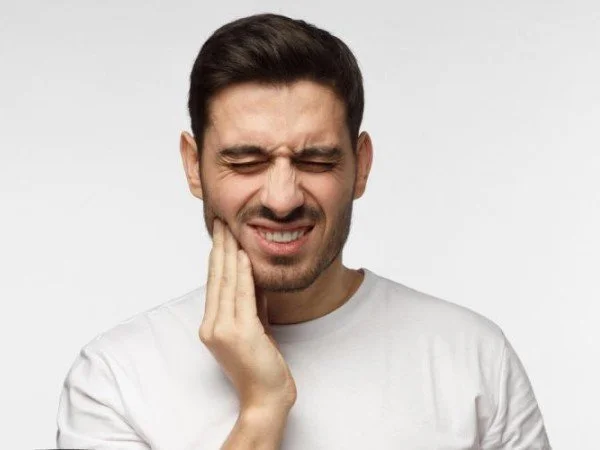
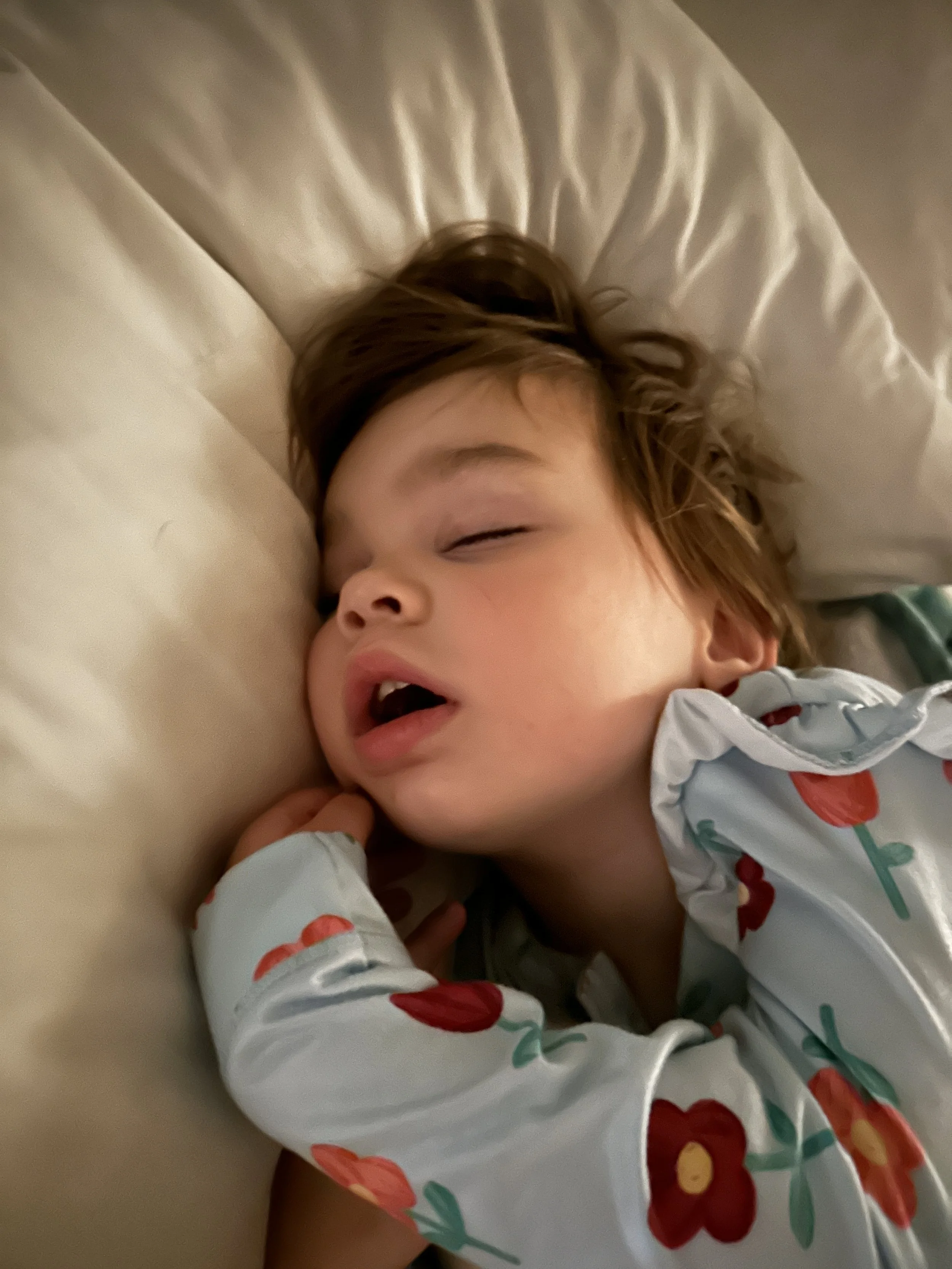
Who Can Benefit from Myofunctional Therapy?


Short answer: So many people! Children and adults alike can benefit from myofunctional therapy.
In an ideal world, everyone would develop optimal oral and facial muscle function. Whether it is a tongue tie that went undiagnosed, chronic nasal congestion that led to mouth breathing, or habits like clenching and grinding, many of us unknowingly develop dysfunctions that can impact long-term health.
Myofunctional therapy helps retrain the muscles and oral structures to restore proper function. If you experience one or several of the following symptoms, you may benefit from myofunctional therapy:
Tongue-tie (pre- or post-release)
Low tongue posture
Tongue thrust swallowing
Clenching and/or Grinding
Jaw pain
Neck pain
Headaches
Crowded teeth
Orthodontic relapse
Long face growth pattern
Mouth breathing (Day or Night)
Snoring (Child or Adult)
Sleep apnea
Waking up tired despite a full night’s sleep
Waking at night to use the bathroom/bedwetting (older kids)
Noisy breathing
Dry mouth
Chronic bloating/gas
ADD/Anxiety